
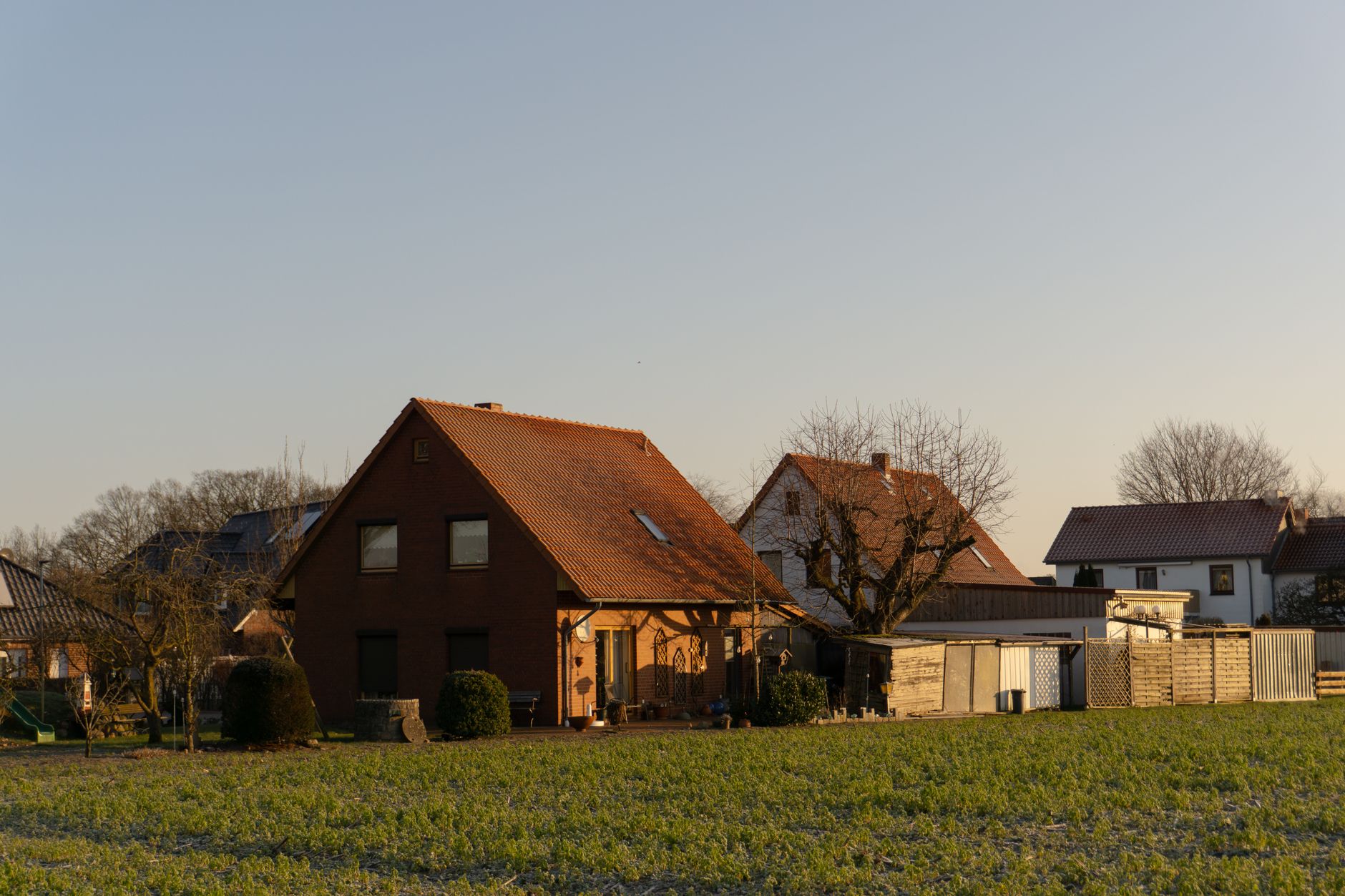
German Home Prices Show Slow Growth in Q2 2026
German home prices have shown a slight increase recently, but the growth is slowing in Q2 2026. This trend raises questions about the future of the real estate market.
Current Trends in German Home Prices
Current trends in German home prices indicate a gradual increase, although the pace has notably slowed in the second quarter of 2026. Analysts report that the average home price has risen by approximately 2% compared to the previous quarter, which is a significant drop from the double-digit growth seen in prior years.
Several factors contribute to this trend:
- Economic Stability: A stable economy is leading to cautious optimism among buyers.
- Interest Rates: Rising interest rates are impacting affordability, causing some potential buyers to delay purchases.
- Supply Constraints: Limited housing supply continues to support prices, even amid slower growth.
As the market adjusts, experts suggest that these slow growth patterns in German home prices may persist for the foreseeable future.
Factors Influencing Home Prices
Several factors are currently influencing German home prices, contributing to the slow growth observed in the second quarter of 2026. One of the primary drivers is the increase in interest rates, which has led to higher mortgage costs, making home buying less affordable for many potential buyers. Additionally, economic uncertainty in the region has caused some consumers to adopt a cautious approach toward investing in real estate.
Another significant factor is the limited housing supply, particularly in urban areas, where demand continues to outpace availability. This mismatch has kept prices relatively stable despite overall slow growth. Furthermore, government policies aimed at regulating the housing market may also play a role in shaping future trends.
As these elements continue to evolve, they will undoubtedly have a lasting impact on the trajectory of German home prices.
Regional Variations in Germany
As the real estate market in Germany exhibits a moderate pace of growth, regional variations play a significant role in the overall landscape of home prices. While urban centers like Berlin and Munich continue to see demand-driven price increases, other areas are experiencing stagnation or even declines.
According to recent data, home prices in Hamburg have remained stable, whereas cities in the eastern regions such as Dresden and Leipzig have shown a slight decrease. This divergence highlights the importance of local market conditions.
- Berlin: Rising demand fuels continued price growth.
- Munich: High prices remain resilient despite overall market slowdown.
- Hamburg: Stability amid national fluctuations.
- Dresden: Slight price decline as market adjusts.
Expert Opinions on Real Estate
Experts in the real estate market have expressed cautious optimism regarding the recent changes in German home prices. According to Dr. Anna Müller, a leading economist, “The slight increase in home prices indicates a stabilization in the market, although the growth rate is slower than in previous years.”
Furthermore, Markus Klein, a real estate analyst, noted that “the impact of rising interest rates has made buyers more hesitant, contributing to the slower pace of growth.” He added, “However, demand in urban areas remains strong, which could support prices moving forward.”
In a recent panel discussion, several experts highlighted the need for cautious investment strategies, emphasizing the importance of understanding regional dynamics. They concluded that while there may be challenges ahead, opportunities still exist for savvy investors in the evolving landscape of German home prices.
Future Predictions for the Market
Looking ahead, experts predict that German home prices will continue to experience modest growth in the coming quarters. Analysts suggest that several factors will shape the trajectory of the market:
- Interest Rates: With potential increases in interest rates, borrowing costs may dampen buyer enthusiasm.
- Economic Outlook: A stable economic environment could support gradual home price increases.
- Supply Constraints: Limited housing supply in urban areas may keep prices from falling significantly.
- Demographic Shifts: Changes in population dynamics may influence demand patterns across different regions.
In summary, while the growth of German home prices is expected to be slow, various external factors will play a crucial role in determining the market’s future direction.
Impact of Economic Conditions
The recent slow growth in German home prices can be attributed to several economic conditions affecting the market. Analysts point to rising interest rates as a key factor that has made borrowing more expensive for potential homebuyers. This increase in mortgage costs is dampening demand, leading to a more cautious approach from buyers and sellers alike.
Additionally, inflationary pressures continue to influence consumer confidence, causing hesitation in making significant financial commitments like purchasing a home. The uncertainty surrounding the global economy also plays a role, as potential investors are wary of committing to long-term investments in real estate.
To summarize, the interplay between higher borrowing costs and economic uncertainty is creating a challenging environment for German home prices, resulting in slower growth than previously anticipated.
Comparative Analysis with Previous Quarters
In a comparative analysis of German home prices, data from previous quarters reveals a noticeable deceleration in growth rates. In Q1 2026, home prices experienced a robust surge of 3.5%, while Q4 2025 saw an increase of 4.2%. However, the latest figures for Q2 2026 indicate a more modest growth of only 1.8%. This slowdown raises concerns among investors and potential homebuyers alike.
Several factors appear to contribute to this trend:
- Increased interest rates affecting mortgage affordability.
- Stagnant wage growth limiting purchasing power.
- Heightened economic uncertainty dampening consumer confidence.
As these factors continue to influence the market, the trajectory of German home prices remains a key point of interest for stakeholders across the real estate sector.
Advice for Home Buyers in 2026
As the German home prices exhibit slow growth in Q2 2026, potential buyers should approach the market with caution and strategic planning. Here are some key pieces of advice:
- Research Thoroughly: Understand the current market trends and regional variations to make informed decisions.
- Set a Realistic Budget: With fluctuating prices, ensure your financial plan accommodates potential increases in costs.
- Consider Timing: Monitor market conditions closely; waiting for the right moment could yield better deals.
- Get Professional Assistance: Consult with real estate agents and financial advisors who can provide valuable insights.
- Explore Financing Options: Look into various mortgage products to find the best rates and terms available.
By being well-prepared, home buyers can navigate the complexities of the German home prices effectively.
Photo by Muhammed Hanefi on Pexels
Read the original
Related stories


