
Asbestos in Army Housing Units
Historical Use of Asbestos in Military Construction
For a significant portion of the 20th century, asbestos was a go-to material in military construction projects across the globe. Its widespread application stemmed from its remarkable properties, making it a seemingly ideal choice for building everything from barracks and administrative buildings to vehicles and equipment. Think about the sheer scale of military infrastructure built during and after World War II; many of these structures, like the ubiquitous Quonset huts, were outfitted with asbestos-containing materials for insulation and fireproofing. This substance was woven into the fabric of military life, present in everything from wallboards and ceiling tiles to the insulation on pipes and wiring. The military’s reliance on asbestos was so extensive that it became a common, often unnoticed, component of the built environment on Army bases.
Properties That Made Asbestos Appealing
So, why was asbestos so popular for so long? It really came down to its unique characteristics. For builders and engineers, asbestos offered a trifecta of benefits: it was an excellent insulator, a fantastic fire retardant, and surprisingly durable. These qualities made it incredibly useful in a variety of applications. For instance, its ability to withstand high temperatures meant it was perfect for fireproofing materials used in buildings and even in the components of vehicles like brake linings and clutch facings. Its insulating properties were also highly valued, helping to regulate temperatures in buildings and protect sensitive equipment. The combination of affordability and these desirable physical traits made asbestos a material of choice for decades, especially in large-scale construction and manufacturing. Its fibrous nature allowed it to be easily incorporated into cement, plaster, paint, and textiles, further broadening its utility.
The Shift in Understanding Asbestos Dangers
It wasn’t until later in the 20th century that the serious health implications of asbestos began to be widely understood. While its physical benefits were clear, the microscopic fibers released into the air when asbestos-containing materials were disturbed proved to be a significant hazard. Inhaling or ingesting these fibers can lead to severe, long-term health problems, including various cancers and lung diseases. The scientific and medical communities gradually linked asbestos exposure to conditions like mesothelioma and asbestosis. This growing awareness led to stricter regulations and a move away from its use in construction and manufacturing. For those who served in the military during this era, the pervasive use of asbestos meant potential exposure was often unavoidable, whether in their living quarters or during their duties. Understanding this historical context is key to recognizing the ongoing concerns about asbestos in older military housing and facilities. Veterans facing health issues related to their service exposure may have avenues for seeking compensation for asbestos-related conditions.
Identifying Asbestos-Containing Materials
Common Building Materials Containing Asbestos
During the mid-20th century, asbestos was a common additive in many building supplies used across military installations. Its fire-resistant and insulating properties made it a popular choice for manufacturers. Because of this, many older Army housing units and buildings may still contain asbestos-containing materials (ACMs). These materials were used in a wide variety of applications, including:
- Insulation: Pipe wrap, boiler insulation, and attic insulation often contained asbestos.
- Flooring and Ceiling: Vinyl floor tiles, sheet flooring, and ceiling tiles frequently incorporated asbestos fibers.
- Walls and Ceilings: Drywall joint compounds, plasters, and textured paints could also contain asbestos.
- Roofing and Siding: Asbestos was used in some roofing felt, shingles, and exterior siding materials.
The presence of these materials does not automatically mean there is a health risk, but it does indicate a potential hazard if they become damaged.
Asbestos in Military Vehicles and Equipment
Beyond buildings, asbestos was also integrated into various components of military vehicles and equipment. This was particularly true for items that required heat resistance or durability. For instance, brake pads, clutch facings, and gaskets in vehicles often contained asbestos. Some engine components and wiring insulation also utilized the mineral. Even specialized equipment, like fire-resistant blankets or certain types of seals and adhesives, could have included asbestos. Marines frequently encountered asbestos in various materials and equipment during their service, including insulation, flooring, pipes, boilers, vehicles, aircraft, and industrial machinery. This exposure put them at risk for asbestos-related diseases. Marines encountered asbestos in many forms.
The Risk of Deterioration and Fiber Release
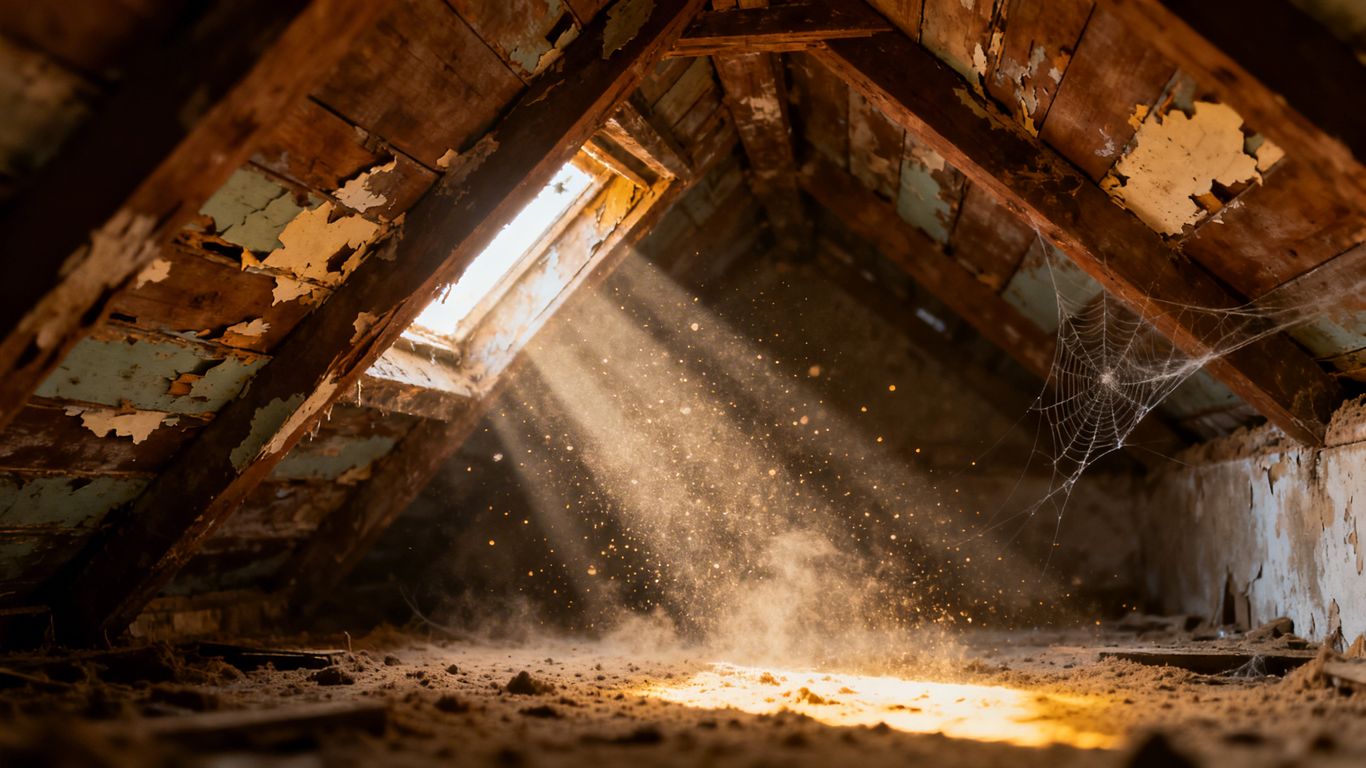
The primary concern with asbestos-containing materials is their potential to release microscopic fibers into the air when disturbed. This disturbance can happen through normal wear and tear, aging, or during renovation and demolition activities. When materials like old insulation, crumbling tiles, or deteriorating seals break down, they can release these fibers. Once airborne, these fibers can be easily inhaled or ingested. Activities such as sanding, cutting, or even simple cleaning of dusty surfaces can aerosolize these dangerous particles. It is important to remember that there is no known safe level of asbestos exposure, and even small amounts can pose a health risk over time.
Health Risks Associated with Exposure
Exposure to asbestos fibers, particularly when materials containing them degrade, can lead to serious and long-lasting health problems. These microscopic fibers, once inhaled or ingested, can become lodged in the body’s tissues, primarily the lungs and the lining of the chest and abdomen. Over time, this can trigger a range of illnesses, some of which may not appear for decades after the initial exposure.
Mesothelioma and Other Asbestos-Related Cancers
One of the most well-known and aggressive diseases linked to asbestos is mesothelioma. This is a rare but devastating cancer that affects the protective lining of the lungs (pleura), abdomen (peritoneum), or heart (pericardium). The development of mesothelioma is almost exclusively tied to asbestos exposure, and it is often diagnosed at a late stage, making treatment challenging. Beyond mesothelioma, asbestos exposure is also a known cause of other cancers, including:
- Lung cancer
- Laryngeal cancer (cancer of the voice box)
- Ovarian cancer
- Colorectal cancer
It is important to note that asbestos exposure can also lead to non-cancerous conditions such as asbestosis, a scarring of the lung tissue that impairs breathing, and pleural thickening, which can cause chest pain and shortness of breath.
The Concept of No Safe Exposure Level
Medical and scientific consensus indicates that there is no established safe level of asbestos exposure. Even minimal contact with asbestos fibers can potentially lead to disease years down the line. The risk of developing an asbestos-related illness is often described as a “dose-response” relationship, meaning that the greater the cumulative exposure to asbestos fibers, the higher the risk. However, this does not imply that low-level or short-term exposures are without risk. Any exposure should be considered a potential threat. Given the long latency period for these diseases, individuals who lived or worked in environments with asbestos, such as certain army housing units, may be at an increased risk for years to come.
Secondary Exposure to Family Members
The danger of asbestos is not limited to those who directly worked with or were in close proximity to the material. Family members of individuals exposed to asbestos can also be at risk through secondary exposure. This typically occurs when asbestos fibers are carried home on the clothing, hair, or skin of a worker. These fibers can then become airborne within the home environment, potentially being inhaled or ingested by other family members, including children. This secondary exposure pathway has also been linked to the development of asbestos-related diseases, highlighting the widespread impact of this hazardous material. For those concerned about potential exposure, understanding the history of asbestos use in military construction is a critical first step.
Findings of Deficiencies in Military Housing
Recent investigations into military housing have brought to light significant issues regarding the management and presence of hazardous materials. A report from the Department of Defense Office of Inspector General detailed findings across multiple installations, highlighting systemic problems that put service members and their families at risk.
Department of Defense Inspector General’s Report
The Department of Defense Office of Inspector General conducted an extensive review of military housing, examining eight installations globally, with seven located outside the United States. The inspection focused on various health and safety hazards, including asbestos, lead-based paint, and radon. The report concluded that deficiencies in hazard management were widespread, suggesting similar issues likely exist at other government-owned and controlled military housing facilities. While some areas like electrical systems and fire safety were deemed adequate, significant problems were identified with other materials. This comprehensive evaluation was initiated following a Congressional directive to assess the safety of military family housing.
Systemic Issues in Hazard Management
Across the inspected installations, a pattern of inadequate hazard management emerged. Specific to asbestos, the findings were concerning:
- Five out of the eight installations failed to maintain accurate records detailing the location and condition of asbestos-containing materials (ACMs).
- Only three of the eight installations had established asbestos mitigation programs.
- Furthermore, issues extended beyond asbestos, with problems like flaking lead-based paint and inadequate radon management also noted.
These systemic failures indicate a broader challenge in identifying, tracking, and addressing environmental hazards within military housing. The lack of proper oversight and consistent protocols means that residents may be unknowingly exposed to dangerous substances. The MOLD Act aims to address some of these oversight gaps in military housing.
Lack of Notification to Residents
One of the most critical findings was the failure to inform residents about the presence of hazardous materials in their homes. Six out of the eight installations inspected did not notify families about asbestos-containing materials within their living spaces. This lack of transparency leaves families unaware of potential risks and unable to take appropriate precautions. Proper notification is a key component of hazard communication, and its absence in these cases is a serious oversight. Military housing maintenance guidelines typically require serious issues to be addressed within 30 days, but this doesn’t help if residents aren’t informed of the hazard in the first place. Military housing maintenance standards are in place, but their effectiveness is hampered when hazards are not disclosed.
Occupations and Locations at Higher Risk
Specific Military Occupations with High Exposure
Certain jobs within the Army, particularly those involving construction, maintenance, and vehicle repair, historically placed individuals at a higher risk of asbestos exposure. Workers who regularly interacted with building materials or equipment that contained asbestos were more likely to inhale or ingest dangerous fibers. This included trades like pipefitters, electricians, mechanics, and demolition crews. Even those in seemingly less direct roles, such as office workers or family members living in affected housing, could face exposure through contaminated clothing or airborne fibers. The widespread use of asbestos in everything from insulation to vehicle parts meant that exposure wasn’t limited to a few specific tasks. Anyone who lived or worked on Army bases before the 1980s may have encountered asbestos-containing materials.
Notable Army Bases with Documented Asbestos
Reports and investigations have highlighted specific Army installations where asbestos contamination has been a significant concern. These locations often had older housing units or facilities where asbestos materials were used extensively and proper management protocols were lacking. Some of the bases that have been identified in such reports include:
- U.S. Army Garrison Humphreys, Republic of Korea
- U.S. Army Garrison Wiesbaden, Germany
- Fort Bragg, North Carolina
- Fort Polk, Louisiana
- Fort Hood, Texas
It’s important to note that this is not an exhaustive list, and many other Army bases, both domestically and internationally, may have had similar issues. The Department of Defense Inspector General’s report indicated systemic problems across multiple installations.
Global Military Installations Affected
The issue of asbestos in military housing and facilities is not confined to the United States. Numerous overseas installations have also been identified as having significant asbestos concerns. These include bases in countries like Germany, Japan, and South Korea, where older construction materials were common. The U.S. military operates thousands of housing units outside the United States, and many of these have been subject to inspections revealing hazards like asbestos-containing materials. This global presence means that service members and their families stationed at various U.S. Army bases worldwide could have been exposed.
Mitigation and Future Considerations
Addressing the presence of asbestos in military housing requires a multi-faceted approach, focusing on both immediate remediation and long-term policy changes. The Department of Defense has acknowledged the findings of various reports and is working to implement more robust programs. This involves not only removing existing asbestos-containing materials but also establishing stricter protocols for future construction and renovations to prevent its reintroduction.
Asbestos Mitigation Programs in Military Housing
Several initiatives are underway to tackle the asbestos issue. These programs aim to systematically identify, assess, and manage asbestos-containing materials (ACMs) in military housing units. Key aspects include:
- Regular Inspections: Conducting thorough and frequent inspections of housing units to detect the presence and condition of ACMs.
- Risk Assessment: Evaluating the potential for fiber release from identified ACMs based on their location, condition, and the surrounding environment.
- Containment and Removal: Implementing safe and effective methods for containing damaged ACMs or removing them entirely by trained professionals.
- Resident Notification: Ensuring that residents are fully informed about the presence of ACMs in their homes and the steps being taken to manage them.
Demolition and Renovation Protocols
When military housing undergoes demolition or significant renovation, specific protocols must be followed to manage asbestos safely. These procedures are designed to protect both workers and future occupants from exposure.
- Pre-Demolition Surveys: Comprehensive asbestos surveys are mandatory before any demolition or renovation work begins to identify all ACMs.
- Controlled Work Practices: Strict containment measures, such as sealing off work areas and using negative air pressure, are employed during asbestos abatement.
- Waste Disposal: Asbestos waste must be handled, transported, and disposed of in accordance with all federal and state regulations to prevent environmental contamination.
- Air Monitoring: Continuous air monitoring is conducted during abatement activities to verify that airborne fiber levels remain below regulatory limits.
Ongoing Oversight and Policy Improvements
To prevent future occurrences and ensure the long-term safety of military families, continuous oversight and policy refinement are necessary. This includes:
- Updating Building Standards: Revising construction and material standards for military housing to prohibit the use of asbestos and prioritize the use of safer alternatives.
- Enhanced Training: Providing comprehensive training for maintenance personnel, contractors, and housing managers on asbestos awareness, safe handling practices, and regulatory compliance.
- Accountability Measures: Establishing clear lines of accountability within the Department of Defense and its housing partners to ensure that asbestos management plans are effectively implemented and maintained.
- Regular Audits: Conducting periodic audits of military housing facilities and management practices to verify compliance with asbestos regulations and identify areas for improvement.
Further Reading
