Bengaluru Metro Pink Line: A Clear Look at First-Day Issues
Bengaluru Metro Pink Line has officially opened, but first-day commuters have voiced concerns about various gaps in service.
Overview of the Bengaluru Metro Pink Line
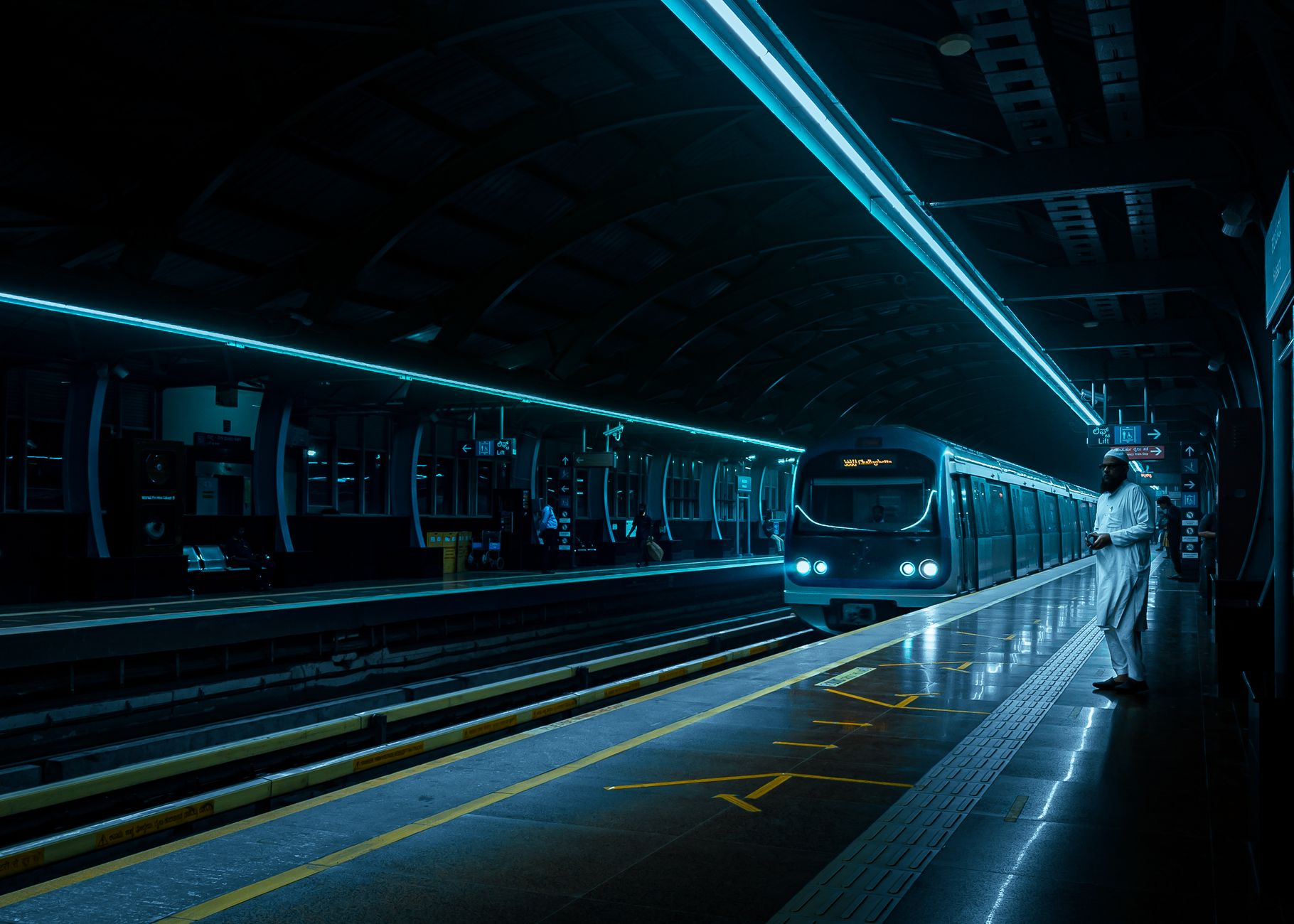
The Bengaluru Metro Pink Line officially opened to the public amidst a mix of excitement and concerns from first-day commuters. This new addition to the metro network is expected to significantly enhance connectivity across the city, yet it faced several challenges on its inaugural day.
Passengers reported various issues that impacted their travel experience. Some of the key concerns included:
- Inconsistent Train Frequency: Many commuters experienced long waiting times between trains, leading to overcrowding at certain stations.
- Ticketing Problems: A number of users faced challenges with the new ticketing system, resulting in delays and confusion at ticket counters.
- Insufficient Signage: Several passengers noted that wayfinding within stations was not clearly marked, making navigation difficult for first-time users.
- Safety Measures: Some commuters expressed concerns over crowd control and safety protocols during peak hours.
Despite these first-day issues, many users remain optimistic about the long-term benefits of the Bengaluru Metro Pink Line. They believe that with time and improvements, the line will serve as a valuable asset in addressing the city’s growing transportation needs.
First-Day Commuter Experiences
On its inaugural day, the Bengaluru Metro Pink Line faced various challenges that left commuters with mixed feelings. Many passengers expressed excitement about the new route, but their experiences were marred by operational hiccups.
One of the primary issues reported was the lengthy wait times at certain stations. Commuters noted that despite the high frequency of trains, unexpected delays led to frustration. “I waited for over 20 minutes at one station,” said a first-day traveler. “I expected a smoother experience on the first day.”
Additionally, overcrowding became a significant concern. Many trains were packed beyond capacity during peak hours, resulting in discomfort for passengers. “It felt like a rush hour in the middle of the day,” remarked another commuter. “I hope they manage the crowd better in the coming days.”
While some praised the modern facilities and cleanliness of the Bengaluru Metro Pink Line, others called for improved crowd management and timely service. As the city adjusts to this new transportation option, commuters eagerly hope that their feedback leads to enhancements in the overall experience.
Key Issues Reported by Passengers
As the Bengaluru Metro Pink Line welcomed its first passengers, several key issues emerged that raised concerns among commuters. The initial excitement of the new line quickly turned to frustration for many as they encountered various challenges.
- Technical Glitches: Passengers reported delays caused by technical malfunctions, with some trains halting unexpectedly during their routes.
- Ticketing Problems: Long queues at ticket counters led to confusion, as commuters struggled with malfunctioning machines and insufficient staff to assist during peak hours.
- Overcrowding: Many riders experienced overcrowded carriages, especially during the morning rush, prompting complaints about safety and comfort.
- Accessibility Issues: Some passengers pointed out that the elevators and escalators were not operational at various stations, making it difficult for those with mobility challenges to navigate the system.
- Lack of Information: Several commuters noted the absence of clear signage and announcements, which complicated the process of finding their way through the new stations.
Despite these challenges, many passengers expressed hope that the Bengaluru Metro Pink Line would improve with time and adjustments, enhancing the overall commuting experience in the city.
Future Improvements for the Metro
The launch of the Bengaluru Metro Pink Line marks a significant milestone for the city’s public transport system. However, the first day revealed several areas for improvement that must be addressed to enhance commuter experience and reliability.
To ensure the long-term success of the Bengaluru Metro Pink Line, various enhancements are necessary, including:
- Timely Maintenance: Regular maintenance checks should be implemented to minimize delays and improve the overall safety of the metro services.
- Increased Train Frequency: To accommodate the high demand during peak hours, increasing the frequency of trains would help reduce overcrowding and waiting times.
- Improved Signage: Clear and accessible signage throughout stations and trains is essential for first-time users and tourists, helping them navigate the system with ease.
- Passenger Information Systems: Real-time updates on train schedules and potential delays should be integrated to keep commuters informed and prepared.
- Enhanced Security Measures: Implementing additional security personnel and surveillance will ensure the safety of passengers and their belongings.
As the Bengaluru Metro Pink Line continues to evolve, addressing these issues will significantly enhance the travel experience for its users.
Comparing Pink Line with Other Lines
The launch of the Bengaluru Metro Pink Line has sparked comparisons with other existing lines in the metro network. While the Pink Line aims to enhance connectivity, it has faced some challenges that are reminiscent of issues seen during the launches of previous lines.
One notable difference is the capacity and frequency of trains. The Pink Line is designed to accommodate a higher number of passengers, but initial reports indicate that overcrowding during peak hours mirrors the experiences of commuters on the Green and Yellow Lines.
Another point of comparison is the infrastructure and accessibility of stations. Many users appreciated the modern design of the Pink Line stations, yet some expressed concerns over the accessibility features, particularly for the elderly and differently-abled passengers, which have been highlighted in other lines as well.
In terms of fare structure, the Pink Line aligns with the existing metro pricing, which has received mixed reactions. While some commuters feel it remains affordable, others argue that fare hikes should be avoided to encourage greater usage.
Overall, while the Bengaluru Metro Pink Line introduces improvements and advancements, it also reflects ongoing challenges faced by the entire metro system in the city.
Public Reaction to the Opening
Public reaction to the opening of the Bengaluru Metro Pink Line has been mixed, with many commuters expressing enthusiasm while also raising concerns about various issues encountered on the first day. A significant number of passengers praised the new line for its modern facilities and convenience, noting that it offers a much-needed alternative for navigating the city.
However, several commuters voiced frustrations regarding operational hiccups. Common complaints included:
- Long waiting times at some stations, which detracted from the overall experience.
- Inadequate signage, leading to confusion among first-time users trying to navigate the system.
- Overcrowding during peak hours, as the demand exceeded initial expectations.
Many riders also highlighted the need for better crowd management strategies to ensure passenger safety and comfort. While some appreciated the overall efficiency of the Bengaluru Metro Pink Line, they urged officials to address these early challenges swiftly.
As the city anticipates improvements in the coming weeks, the feedback gathered from the initial commuter experiences will likely play a crucial role in shaping the future of the Pink Line and enhancing the overall metro experience in Bengaluru.
What’s Next for Bengaluru Metro?
The launch of the Bengaluru Metro Pink Line has marked a significant step forward in the city’s public transportation network, yet several challenges remain unaddressed. As the initial excitement of the opening fades, the focus now shifts to potential enhancements that could improve the commuter experience.
Transit authorities have indicated plans for ongoing assessments of the line’s operations, aiming to gather more feedback from users. This data will be crucial for identifying specific areas that require urgent attention. Some of the immediate considerations include:
- Timeliness of Service: Ensuring trains run on schedule to mitigate delays.
- Fare Structure: Reviewing ticket prices to maintain affordability while covering operational costs.
- Accessibility: Enhancing facilities for differently-abled individuals to ensure inclusivity.
Moreover, expansion plans for the Pink Line are already on the table, targeting connections to underserved areas of the city. Stakeholders are optimistic that these developments will not only ease current congestion but also encourage a shift toward public transit over private vehicles.
As Bengaluru continues to grow, the Bengaluru Metro Pink Line could play a pivotal role in shaping the future of urban mobility, provided that the necessary improvements are implemented promptly.
Photo by vasuchandran mv on Pexels
Read the original
You might also like