N.W.T. Infrastructure Projects: Worth Evaluating Akaitcho Support
N.W.T. infrastructure projects are currently under scrutiny as the Akaitcho First Nations waver in their support. This development raises important questions about the future of these major initiatives.
Current Status of N.W.T. Infrastructure Projects
The current status of N.W.T. infrastructure projects has become increasingly complex as the Akaitcho First Nations express wavering support. These projects have been pivotal for the region, aiming to enhance connectivity and economic development. However, the shifting stance of the Akaitcho raises questions about the future of these initiatives.
Recent discussions have highlighted several key factors influencing the Akaitcho’s position:
- Environmental Concerns: Many community members have raised alarms regarding the potential impact on local ecosystems.
- Consultation Processes: There is a growing demand for more inclusive dialogue between government representatives and First Nations leaders.
- Economic Opportunities: While infrastructure projects promise job creation, there are concerns about who will benefit from these developments.
As stakeholders assess the viability of N.W.T. infrastructure projects, the importance of maintaining strong relationships with Indigenous communities becomes clear. The future direction of these projects may hinge on addressing the Akaitcho’s concerns and fostering a collaborative approach that respects both development goals and Indigenous rights.
Impact of Akaitcho’s Wavering Support
The recent uncertainty surrounding the Akaitcho First Nations’ support for major N.W.T. infrastructure projects has raised concerns among stakeholders and community leaders. The wavering commitment from the Akaitcho leadership could significantly impact the future of these essential developments, which are crucial for the economic growth of the region.
Several factors contribute to this shift in support:
- Environmental Concerns: Many community members express worries about the potential ecological impacts of the proposed infrastructure projects.
- Consultation Processes: The Akaitcho First Nations have indicated dissatisfaction with previous consultations, feeling that their voices were not adequately heard.
- Sovereignty Issues: Some leaders within the Akaitcho community are advocating for greater control over land management and resource development, which complicates the negotiations surrounding these projects.
The potential withdrawal of support from the Akaitcho First Nations raises questions about the feasibility of moving forward with N.W.T. infrastructure projects. Stakeholders are now urged to engage in meaningful dialogue to address these concerns and seek a mutually beneficial path for development.
Future Outlook for N.W.T. Projects
The future outlook for N.W.T. infrastructure projects remains uncertain as the Akaitcho First Nations reassess their support. The collaboration between government bodies and Indigenous groups is crucial in ensuring the success of these initiatives. Stakeholders are calling for renewed dialogue to address concerns and explore potential partnerships.
Key factors influencing the future of these projects include:
- Environmental Concerns: The impact on local ecosystems and traditional lands continues to be a significant issue.
- Economic Benefits: Initiatives aimed at boosting the local economy could foster more robust support if properly communicated.
- Community Engagement: Involving local communities in planning and decision-making processes is essential for garnering trust.
- Government Funding: The level of financial commitment from the territorial government will play a critical role in moving projects forward.
As stakeholders navigate these challenges, the future of N.W.T. infrastructure projects will depend on finding a balanced approach that respects Indigenous rights while promoting development. Continued efforts to evaluate and strengthen Akaitcho support will be necessary to achieve sustainable progress.
Community Reactions to Infrastructure Plans
Community members across the Northwest Territories are expressing mixed feelings regarding the recent developments concerning N.W.T. infrastructure projects. While some residents are enthusiastic about the potential benefits, others are concerned about the implications of Akaitcho First Nations wavering support.
Many community members believe that these projects could bring vital economic opportunities, including:
- Job creation in various sectors
- Improved transportation and accessibility
- Enhanced public services
However, some residents voice apprehension over the environmental impacts that may arise from the construction and operation of such infrastructure. Local leaders emphasize the need for more engagement with the community to address these concerns.
One resident stated, “It’s crucial that we balance development with the preservation of our lands and traditions.” Others echo this sentiment, insisting that consultation with Indigenous groups like the Akaitcho First Nations is essential before proceeding.
As discussions continue, it remains clear that the community’s perspective on N.W.T. infrastructure projects will play a significant role in shaping their future.
Government Responses to Akaitcho Concerns
In response to the concerns raised by the Akaitcho First Nations regarding major N.W.T. infrastructure projects, government officials have emphasized the importance of collaboration and communication. A spokesperson from the territorial government stated, “We recognize the significance of the Akaitcho’s input in shaping these projects and are committed to addressing their concerns.”
The government has proposed a series of meetings aimed at fostering dialogue between stakeholders, including local communities, to ensure that all voices are heard. These discussions will focus on the potential impacts of infrastructure development on traditional lands and resources. “We must consider the cultural and environmental implications of our projects, and the Akaitcho’s perspective is vital to this process,” the spokesperson added.
Additionally, the government is exploring opportunities for partnership with the Akaitcho First Nations, which could enhance their involvement in the planning and execution of these projects. “Building a sustainable future for N.W.T. infrastructure requires the support and trust of our Indigenous communities,” the official concluded.
As the government seeks to address these concerns, the outcome of their discussions may ultimately shape the future of N.W.T. infrastructure projects and the level of support from the Akaitcho First Nations.
Understanding Indigenous Perspectives
Indigenous perspectives play a crucial role in shaping the discourse surrounding N.W.T. infrastructure projects. The Akaitcho First Nations, representing several Indigenous communities, have expressed a range of views on these initiatives, reflecting their unique cultural and environmental values.
Many Indigenous leaders emphasize the importance of sustainable development that respects traditional lands and practices. Community engagement is a recurring theme, as local voices often seek to influence decision-making processes related to infrastructure. This can include the protection of sacred sites and ensuring that any development aligns with their long-term vision for the land.
Furthermore, the Akaitcho First Nations have raised concerns about how these projects might affect their communities. These concerns encompass not only environmental impacts but also social and economic dimensions. Economic benefits from infrastructure development are weighed against potential disruptions to their way of life.
As discussions continue, it is essential to consider these Indigenous perspectives to foster a collaborative approach that honors their rights and aspirations. Understanding and integrating these insights could lead to more effective and inclusive N.W.T. infrastructure projects that benefit both Indigenous communities and broader society.
Next Steps for N.W.T. Infrastructure Development
As discussions surrounding N.W.T. infrastructure projects continue, stakeholders are urged to consider the next steps that can solidify support and ensure successful development. The wavering support from the Akaitcho First Nations presents both a challenge and an opportunity for project proponents.
Key actions moving forward may include:
- Enhanced Engagement: Building stronger relationships with the Akaitcho leadership is essential. Regular consultations can help address concerns and foster a collaborative spirit.
- Transparent Communication: Clear and ongoing dialogue about project timelines, benefits, and environmental impacts can help alleviate fears and misunderstandings.
- Inclusive Planning: Involving Akaitcho communities in the planning stages ensures that their perspectives are integrated into project designs, making them more acceptable to all parties.
- Investment in Local Capacity: Supporting training and employment opportunities for local residents can create a sense of ownership and investment in the success of N.W.T. infrastructure projects.
By taking these steps, stakeholders can work toward a more unified approach, which not only respects the interests of the Akaitcho First Nations but also promotes the long-term viability of infrastructure projects in the Northwest Territories.
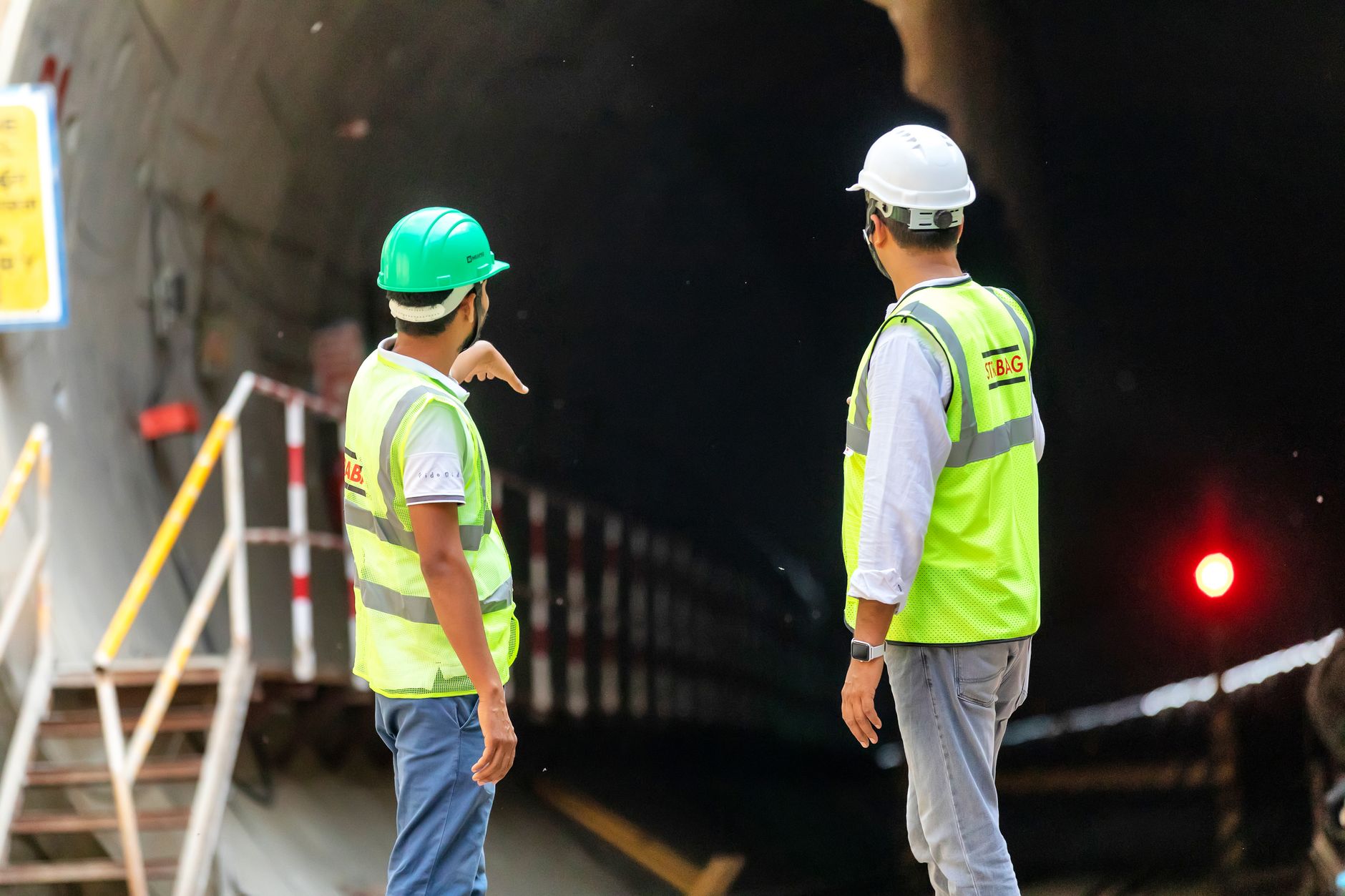
Photo by Anil Sharma on Pexels
Read the original
Related reading