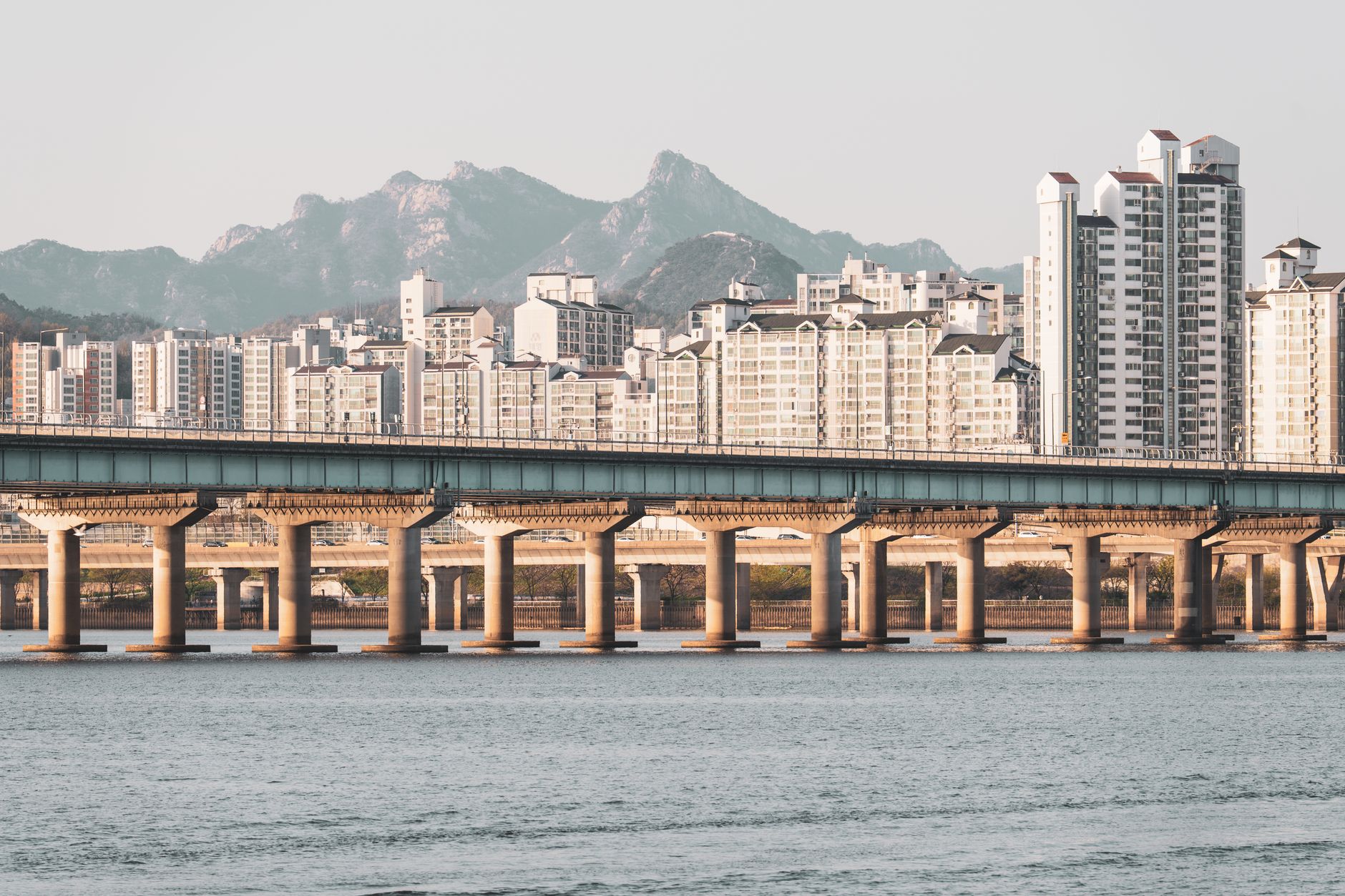
Seoul apartment jeonse prices: Worst rise in history
Seoul apartment jeonse prices have surged to a record high following an unprecedented 87-week rise, leaving many renters in a challenging situation.
Understanding Jeonse in Seoul
Jeonse, a unique rental system in South Korea, allows tenants to secure an apartment by paying a large lump-sum deposit instead of monthly rent. This system has become increasingly popular, particularly in Seoul, where apartment jeonse prices have seen an unprecedented rise. Understanding the mechanics of jeonse is crucial for potential renters and investors alike.
Under this arrangement, landlords benefit from the substantial deposit, which they can invest or use while the tenant occupies the apartment. In return, tenants enjoy the advantage of not paying monthly rent, making it an appealing option for many.
However, the recent surge in jeonse prices has raised concerns among residents. The ongoing increase, now reaching record highs after an 87-week climb, has made it challenging for many to afford housing in the capital city.
As the real estate market continues to evolve, understanding the implications of these rising jeonse prices is vital for anyone looking to navigate the complexities of Seoul’s housing landscape.
Impact of Rising Jeonse Prices
The recent surge in Seoul apartment jeonse prices has sent shockwaves through the housing market, impacting both tenants and landlords alike. The 87-week consecutive rise in prices marks the worst increase in history, leading many to question the sustainability of this trend.
As rental costs soar, several key consequences have emerged:
- Increased Financial Burden: Tenants are facing significant challenges in affording the high upfront costs associated with jeonse agreements, which often require large deposits.
- Reduced Mobility: Many individuals and families are reluctant to move or change jobs due to the daunting prospect of finding affordable housing in such a volatile market.
- Shift in Demand: As jeonse prices continue to rise, some potential renters are turning to monthly rentals, altering the dynamics of the rental market.
The implications of these rising jeonse prices extend beyond mere statistics, affecting the everyday lives of residents in Seoul.
Historical Trends in Seoul’s Housing Market
The historical trends in Seoul’s housing market reveal a pattern of escalating jeonse prices that has reached alarming levels. Over the past few decades, the demand for rental properties has surged, particularly in urban areas where the population density is high. This has led to a significant increase in the cost of jeonse, which is often viewed as a more stable rental option compared to monthly rent.
In recent years, the city has experienced what experts are calling the worst rise in history concerning apartment jeonse prices. The latest reports indicate that prices have soared continuously for an astonishing 87 weeks. This relentless increase has put immense pressure on both tenants and potential homebuyers.
- The average jeonse price has increased by over 30% in the last few years.
- Many residents now struggle to afford the upfront costs associated with jeonse agreements.
- Government measures to stabilize the market have seen limited success.
As we analyze these trends, it becomes clear that the future of housing in Seoul remains uncertain.
Government Response to Housing Issues
In response to the alarming rise in Seoul apartment jeonse prices, the government has announced a series of measures aimed at stabilizing the housing market. Officials acknowledge that the recent 87-week increase in jeonse prices has reached historic levels, causing distress among tenants and potential buyers alike.
Among the proposed initiatives are:
- Increased Housing Supply: The government plans to accelerate the construction of new apartments and convert unused properties into rental units.
- Financial Assistance: A new subsidy program will be introduced to help lower-income families afford housing costs, including jeonse deposits.
- Regulatory Revisions: Authorities are considering changes to current rental laws to prevent excessive price hikes and protect tenants’ rights.
These actions reflect a growing urgency to address the housing crisis, as rising jeonse prices continue to burden residents across the city.
Advice for Renters in Seoul
As Seoul apartment jeonse prices reach unprecedented levels, renters are feeling the strain. It is crucial for those looking to secure a home to approach the market with careful consideration. Here are some recommendations for navigating this challenging landscape:
- Research Thoroughly: Always stay informed about current market rates and trends. Websites and local agencies can provide valuable insights into the latest jeonse prices.
- Consider Alternative Areas: Expanding your search beyond popular neighborhoods may reveal more affordable options. Areas that are emerging or undergoing development can offer better deals.
- Negotiate: Don’t hesitate to negotiate the terms of your jeonse contract. Many landlords may be open to discussion, especially in a fluctuating market.
- Seek Professional Help: Engaging a real estate agent familiar with the local market can provide expertise and help you navigate complex agreements.
By taking these steps, renters can better position themselves in the current environment of soaring jeonse prices.
Future Outlook for Jeonse Prices
The future outlook for Seoul apartment jeonse prices remains uncertain as economic factors continue to evolve. Analysts predict that the ongoing surge in prices may not stabilize in the near term, primarily due to high demand and limited supply in the housing market. Many potential renters are feeling the pinch, as affordability becomes a significant concern.
Several key indicators suggest that the trend of rising jeonse prices could persist:
- Interest Rates: If interest rates remain high, the cost of borrowing may deter potential homeowners, pushing more individuals towards jeonse.
- Population Growth: Continued urban migration into Seoul is likely to sustain demand for rental properties, contributing to price increases.
- Government Policies: Future government interventions could either mitigate or exacerbate the situation, depending on the measures taken.
As these factors unfold, renters and experts alike will need to stay vigilant and adapt to the changing landscape of the housing market.
As the market grapples with the unprecedented surge, many residents are feeling the pressure of rising living costs. The latest data confirms that Seoul apartment jeonse prices have reached levels that many experts deem unsustainable.
Photo by Hyeok Jang on Pexels
Where this came from